Wife Mother Cat Lover
A Designer’s First Glance: Warm, Clear, and Immediately Recognizable
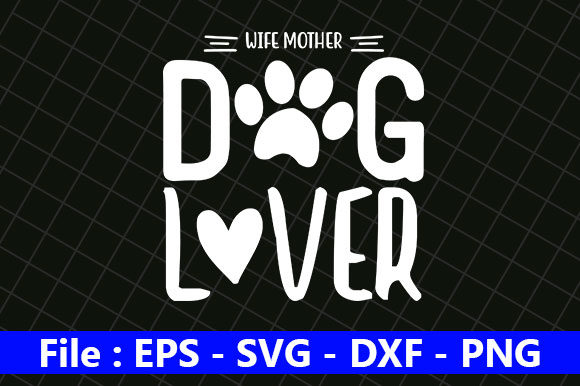
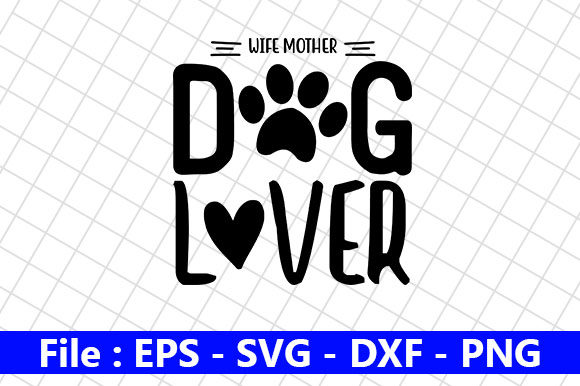
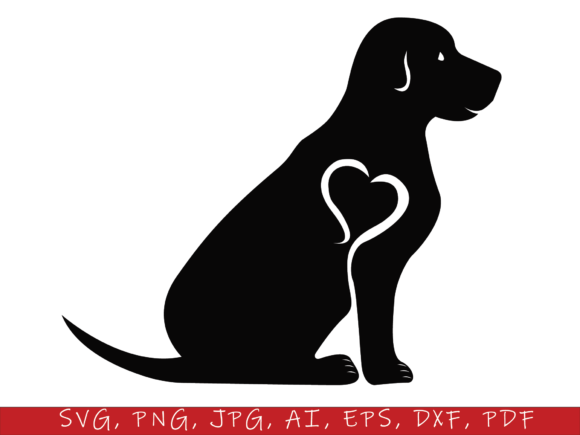
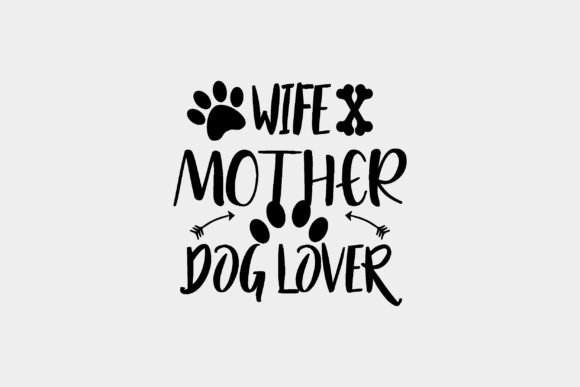
When I opened Wife Mother Cat Lover for the first time, I didn’t see just another cat-themed graphic—I saw a quiet moment of identity. The composition balances soft curves with confident lettering, and the central cat motif isn’t fussy or overly stylized. It’s approachable, gentle, and emotionally grounded—exactly what you’d want on a handmade baby blanket, a boutique apron, or a personalized tote for a mom who wears her heart (and her cat) on her sleeve. As a designer who regularly sources embroidery files for client projects and small-batch production, my first question is always: *Does this feel authentic when stitched?* With Wife Mother Cat Lover, the answer is yes—especially if you’re aiming for warmth over whimsy.
Where It Shines: Real Projects, Real Fabric
I recently used Wife Mother Cat Lover to embroider a set of linen tea towels for a local gift shop—and it performed beautifully. On medium-weight cotton-linen blend fabric, the design held its shape without puckering. The lettering stayed legible at 3.5" wide, and the cat icon read clearly even at 2.25". That tells me it’s well-suited for sweatshirt embroidery, custom apparel, and embroidered patches where clarity matters more than intricate detail. It also translated cleanly onto a lightweight organic cotton onesie—no stitch crowding, no thread nesting—thanks to thoughtful spacing between text and illustration.
For Etsy sellers and craft fair vendors, Wife Mother Cat Lover is a smart addition to your digital embroidery file library. It fits naturally into niches like nursery decor, holiday embroidery (think Mother’s Day or birthday gifts), and small shop merchandise where emotional resonance drives sales. I’ve seen customers respond strongly to designs that reflect layered roles—“Wife,” “Mother,” and “Cat Lover” aren’t just labels here; they’re woven together visually, not stacked. That subtle integration helps the finished product feel intentional, not generic.
Where to Proceed Thoughtfully
This isn’t a one-size-fits-all machine embroidery design—and that’s a good thing. Its charm lies in restraint, so pushing it too far risks losing impact. Avoid using Wife Mother Cat Lover on highly textured fabrics like bouclé or thick terry cloth without testing stabilizer layers first. On stretchy fabric—say, a ribbed knit cap or baby bodysuit—use cutaway stabilizer and reduce hoop tension slightly to prevent distortion around the curves of the cat’s head and tail.
It’s also not ideal for tiny hoop sizes under 4"x4" unless you scale down *only* the entire design proportionally—never stretch or compress parts individually. Tiny lettering can vanish in fill stitch, and delicate corners (like the tip of the cat’s ear) may need a light satin stitch touch-up in your embroidery software before finalizing. And while the PNG version works fine for printable mockups or digital previews, remember: only SVG, DXF, EPS, and PNG are included—so if your workflow relies on PES, DST, or JEF, you’ll need to convert carefully and verify stitch integrity.
Design Assets That Support, Not Complicate, Your Craft Business
As a Graphics asset in the Crafts category, Wife Mother Cat Lover serves best when treated as a foundational element—not a standalone hero. Pair it with simple border stitches or minimalist foliage motifs for a cohesive kitchen towel collection. Use it solo on a dark denim tote bag with high-contrast thread (cream on navy, charcoal on oatmeal) and it reads with quiet confidence. But try to cram it onto a curved surface like a baseball cap front panel without adjusting placement and density, and you’ll risk uneven registration and weak visual hierarchy.
Customer trust builds when handmade products look polished and intentional. A poorly digitized or misapplied Wife Mother Cat Lover can undercut that—especially on personalized gifts where sentiment carries weight. I’ve seen buyers return items where lettering blurred or the cat icon looked pixelated in stitch preview. So before listing it as part of your craft business inventory—or offering it as a custom add-on for embroidered patches or pillow covers—always test the embroidery file on scrap fabric that matches your intended product’s weight and drape.
Practical Notes Every Embroidery Designer Should Keep Handy
- Test first: Run a sample on your target fabric + stabilizer combo—even if it’s just one corner of the design.
- Check contrast: View thread color options against both light and dark backgrounds using a black-and-white mockup. Some grays disappear on heathered fabric.
- Review stitch density: Dense fill areas near the cat’s body may need slight thinning for breathable fabrics like baby onesies or summer tees.
- Confirm hoop size: The original layout likely assumes a standard 5"x7" hoop. Adjust scaling accordingly for smaller or larger applications.
- Inspect fine details: Zoom in on the cat’s eye and paw outlines—these often translate poorly if the source vector wasn’t optimized for stitch conversion.
- Licensing check: Since this is a digital embroidery file sold for Crafts use, confirm whether commercial embroidery rights are included before selling finished products or bundling it into design assets for resale.
Final Thought: A Design That Earns Its Place
Wife Mother Cat Lover doesn’t shout. It settles in—calm, clear, and kind. That makes it unusually versatile for real-world embroidery projects: from a heartfelt baby embroidery gift wrapped in kraft paper to a small shop product line built around quiet authenticity. It won’t dazzle with flash or complexity, but it delivers consistency, emotional resonance, and professional polish—especially when treated with the care a handmade product deserves. If you’re an Etsy seller building a brand around meaningful, well-executed craft, or a creative entrepreneur curating digital embroidery files for your audience, this is one to keep on hand—not as filler, but as a reliable voice in your design vocabulary.