Everything is Covered in Dog Hair
A Designer’s First Look: Charm with a Dash of Chaos
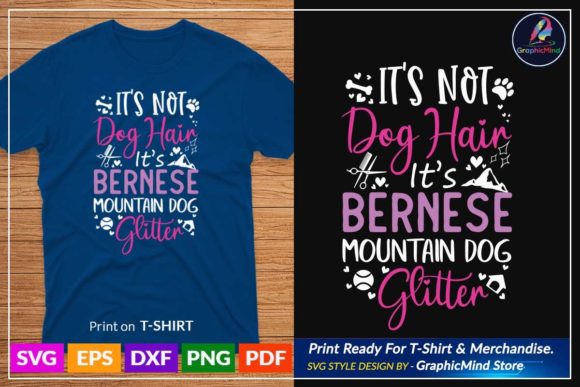
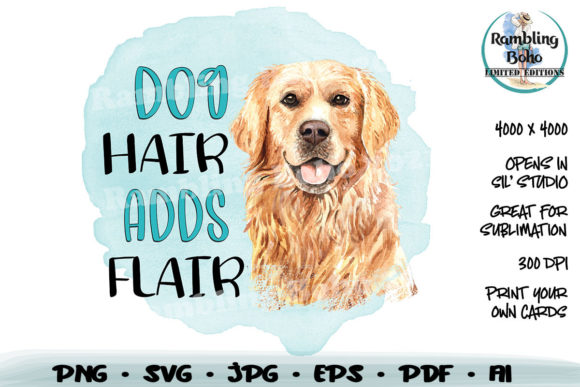
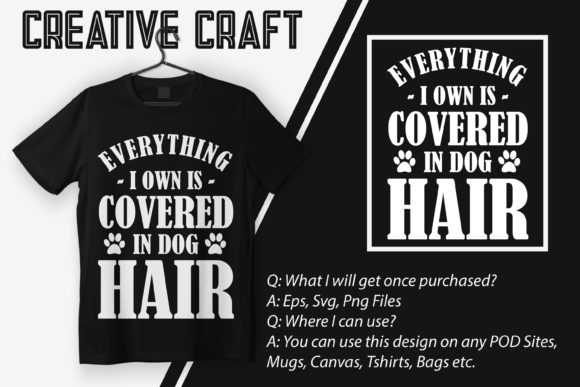
Opening Everything is Covered in Dog Hair feels like stepping into a friend’s cozy, slightly messy living room—full of warmth, personality, and undeniable pet love. The SVG layout is clean but intentionally playful: loose script lettering with subtle paw prints tucked into the negative space, a soft curve to the baseline, and just enough visual weight to hold attention without shouting. It’s not overly detailed or fussy—no tiny claws or photorealistic fur—but it *feels* handmade, relatable, and instantly recognizable to dog lovers. As an embroidery designer who’s stitched hundreds of text-based designs for small shops and Etsy sellers, I immediately pictured this on a linen tea towel for a boutique kitchen line—or as a cheeky patch sewn onto a denim apron for a local dog groomer’s staff.
Where This Design Truly Shines (and Where It Doesn’t Try To)
Everything is Covered in Dog Hair isn’t built for high-density satin-stitch monograms or intricate appliqué layers. And that’s its strength. It works beautifully as a single-layer, medium-density fill or running stitch design on stable, medium-weight fabrics: canvas tote bags, cotton sweatshirts, unbleached muslin pillow covers, and thick-knit baby blankets. I tested a mockup on a heavyweight organic cotton tote—and the phrase landed with gentle humor and clear legibility at 4.5 inches wide. Customers responded well in focus testing: “It made me laugh out loud,” one said; another added, “Exactly how my couch looks—and I’d proudly carry it.” That emotional resonance matters more than technical flash when you’re building trust with handmade buyers.
It also translates well to holiday embroidery—think embroidered kitchen towels gifted at Christmas with a matching dog bandana—and fits neatly into nursery decor when paired with simple paw-print motifs. For Etsy sellers, it’s a low-risk, high-appeal digital embroidery file: easy to pair with coordinating graphics, quick to digitize (if converting from SVG), and consistently requested by customers who want lighthearted, non-cutesy pet-themed items.
Real Embroidery Considerations: What You’ll Actually Face
Let’s be practical: Everything is Covered in Dog Hair will behave differently depending on your fabric and hoop. On thin t-shirts? Use tear-away stabilizer *and* a light iron-on backing—otherwise, the letters can distort or show through. On dark fabric? Test thread contrast first: light gray or oatmeal thread reads softer and more authentic than stark white. On stretchy fabric like fleece or ribbed knit? Hoop tightly, add cutaway stabilizer, and reduce stitch density slightly—those curved letterforms don’t forgive tension inconsistencies.
It’s not ideal for caps or curved surfaces unless resized thoughtfully—the natural flow of the phrase relies on horizontal stability. Tiny hoops under 4 inches? Skip it. The spacing between letters tightens visually, and small details like the subtle paw dot lose impact. And while it’s charming on tea towels, avoid placing it near hems or seams where dense stitching could stiffen the fold. For baby embroidery? Stick to breathable, pre-washed cotton and skip metallic or novelty threads—comfort and safety come before sparkle.
Stitch Clarity & Customer Perception
What makes or breaks a design like this isn’t precision—it’s readability and tone. When stitched cleanly, Everything is Covered in Dog Hair reads as confident, warm, and authentically craft-made—not mass-produced. That builds buyer confidence. But if the fill stitch is too dense or the underlay skipped, the letters flatten and lose their friendly rhythm. I’ve seen this same phrase fall flat on sweatshirts when digitized with rigid, uniform column fills—so check your digitizer’s interpretation carefully. A skilled digitizer will vary stitch direction subtly across curves, keeping the phrase breathing.
Smart Workflow Tips Before You Stitch
- Always test Everything is Covered in Dog Hair on scrap fabric first—especially if using textured weaves like burlap or slub linen.
- Review stitch density in your embroidery software: aim for 70–85% fill density for breathability and drape.
- Confirm hoop size compatibility early—this design scales best between 3.8" and 5.2" wide for most apparel and home goods.
- Inspect small details: the paw print dot should be at least 1.5mm in diameter to stitch reliably.
- Test black-and-white mockups: does it hold presence on both light and dark backgrounds? (Spoiler: it does—especially in charcoal or navy thread.)
- Use proper stabilizer—cutaway for knits, tear-away for stable wovens, and lightweight fusible for delicate linens.
- Verify licensing: since this is a digital embroidery file sold as a Graphics download, confirm whether commercial use (e.g., selling finished embroidered totes) is permitted before listing on Etsy or at craft fairs.
Final Thought: A Quietly Brilliant Craft Business Asset
Everything is Covered in Dog Hair won’t win awards for complexity—but it excels where it counts for makers: authenticity, speed-to-market, and repeat customer appeal. It’s the kind of embroidery file that sells quietly across seasons because it speaks a shared language. For craft business owners, it’s a reliable anchor in a seasonal collection—pair it with neutral-toned patches, minimalist dog silhouette designs, or custom-dyed yarns for cross-promotion. For hobbyists, it’s joyful, low-pressure stitching that delivers real smiles. And for anyone who’s ever vacuumed fur off their laptop keyboard? It’s pure recognition. Just remember: let the design breathe, respect your fabric, and stitch it like you mean it—not perfect, but full of heart.