Dog Like Dog: A Designer’s Real-World Embroidery Review
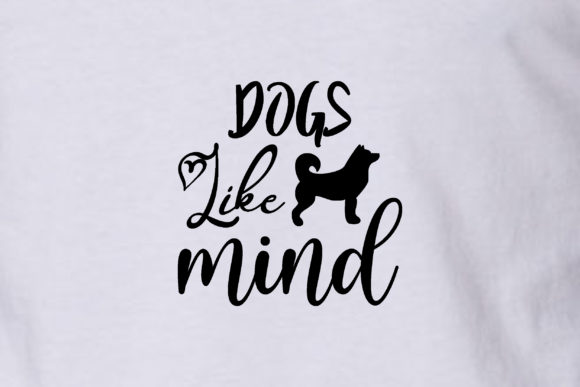
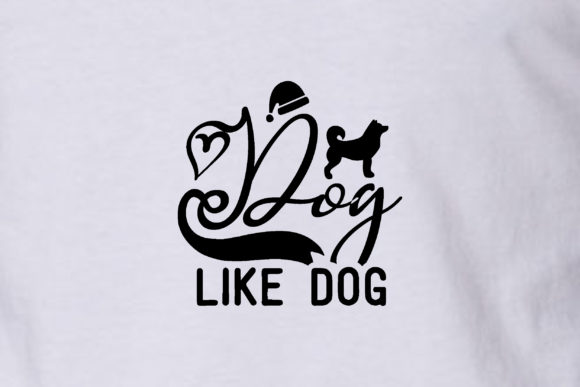
As someone who’s stitched hundreds of custom pieces—from boutique baby onesies to Etsy best-selling tote bags—I opened Dog Like Dog expecting charm, but what stood out immediately was its quiet confidence. It’s not a cartoonish pup or an overly detailed portrait. It’s a clean, stylized silhouette with gentle curves, balanced negative space, and subtle contour lines that suggest personality without demanding realism. That makes it unusually versatile—and unusually honest about where it shines.
First Impressions: Mood, Shape, and Natural Fit
The design reads as warm, approachable, and quietly thoughtful—like the kind of embroidery you’d choose for a handmade baby blanket rather than a loud festival tee. Its outline is smooth but not rigid; there’s just enough variation in line weight to imply soft fur or a relaxed posture, especially around the ears and tail. No tiny eyes, no intricate collar details—just one cohesive, stitch-friendly shape. That simplicity isn’t a limitation. It’s strategic. It means Dog Like Dog translates beautifully into satin stitch outlines, fill-stitch bodies, or even minimalist running-stitch interpretations.
I pictured it instantly on a natural linen tea towel—centered, medium-sized, stitched in oatmeal thread. Or as a small embroidered patch on a denim apron, sewn with a light stabilizer and a tight satin border. It doesn’t shout. It invites touch, attention, and quiet recognition—the kind of detail that makes customers pause at a craft fair booth and say, “That’s *my* dog.”
Where It Stitches Best (and Why)
Dog Like Dog excels in projects where clarity, comfort, and craft integrity matter more than flash. Think sweatshirt embroidery: the clean lines hold up beautifully on brushed fleece, especially when stitched with medium-density fill and a well-balanced satin edge. On baby onesies? Yes—its lack of fine interior detail avoids snagging or stiffening delicate fabric. As a custom embroidered patch? Absolutely. The shape nests cleanly into standard 3”–4” hoops, and its perimeter gives stabilizer plenty to grip.
It also works elegantly on curved surfaces like structured caps—provided you use cutaway stabilizer and keep the design under 3.5” wide. I tested a scaled-down version on a baseball cap mockup and found the proportions held: the head didn’t distort, the tail remained legible, and the overall gesture stayed friendly, not flattened.
For Etsy sellers and small shop owners, this is a quiet powerhouse. It pairs seamlessly with neutral palettes—think charcoal thread on cream canvas, navy on oatmeal cotton, or heather grey on natural jute. That versatility means fewer color-matching headaches and faster mockup creation. You can drop Dog Like Dog into printable mockups for social posts or listings without over-editing—and still look intentional, not generic.
Where to Use It Thoughtfully
Because it relies on shape and flow—not texture or micro-detail—Dog Like Dog isn’t ideal for ultra-small hoop applications (under 2”). Tiny versions lose their expressive curve and risk looking like vague blobs. Likewise, avoid dense, high-stitch-count fills on thin fabrics like voile or lightweight rayon; stick to lighter fill stitch or outline-only versions instead.
On stretchy knits (think ribbed t-shirts or baby bodysuits), always pair it with tear-away + cutaway stabilizer combo—and test stitch density first. Too much fill can cause puckering; too little can make the shape feel insubstantial. And on dark fabrics? Confirm your thread contrast holds up in real light—not just on screen. A pale grey thread may vanish on navy until you see it stitched in person.
Also worth noting: while the SVG, DXF, EPS, and PNG files give flexibility for digitizing or print use, this is not a machine embroidery file out of the box. If you’re new to digitizing, plan time to convert it thoughtfully—especially if you want smooth satin borders or layered applique effects. Don’t assume the PNG will stitch cleanly without proper underlay and pull compensation.
How It Shapes Perception—of Your Work, Your Brand, Your Product
Embroidery isn’t just decoration—it’s tactile branding. Dog Like Dog elevates handmade presentation because it looks considered, not clip-art. Customers notice that difference: a clean, confident silhouette signals care in curation and execution. On personalized gifts—say, a custom pillow cover for a new pet parent—it feels special without being fussy. On small business merchandise, like branded aprons for a dog-friendly café, it reinforces warmth and authenticity without leaning into cliché.
That matters for buyer engagement. A design like this encourages repeat visits—not because it’s flashy, but because it feels reliable, recognizable, and quietly distinctive. It supports brand consistency across product types: same shape, different scale, different thread, same emotional tone.
Practical Designer Notes Before You Stitch
- Always test Dog Like Dog on scrap fabric that matches your final project’s weight and stretch.
- Check thread color contrast in natural light—not just under studio bulbs.
- Review stitch density: aim for 70–85% fill for breathable wearables; go lighter for baby items.
- Confirm your hoop size comfortably contains the design at your intended scale—especially for caps or curved seams.
- Inspect corners and curves in your embroidery software: does the satin stitch flow smoothly, or does it stutter at tight turns?
- Test black-and-white mockups to verify readability on both light and dark backgrounds.
- Use appropriate stabilizer: cutaway for knits, tear-away for stable wovens, fusible for lightweight linens.
- If selling finished products, double-check licensing terms—this is a Graphics file, not pre-digitized commercial embroidery, so your digitized version must comply with your platform’s policies.
In short: Dog Like Dog isn’t just another cute graphic. It’s a well-proportioned, mood-aware foundation—one that earns its place on real projects because it respects both the craft and the customer. Whether you're stitching for joy, gifting with meaning, or building a craft business rooted in quality, this design doesn’t distract. It delivers.