Beware of the Dog, Don’t Trust the Cat E
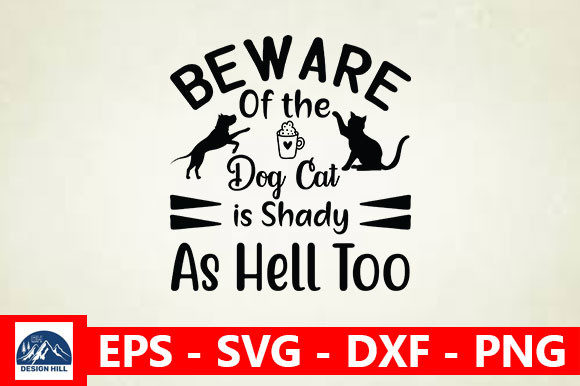
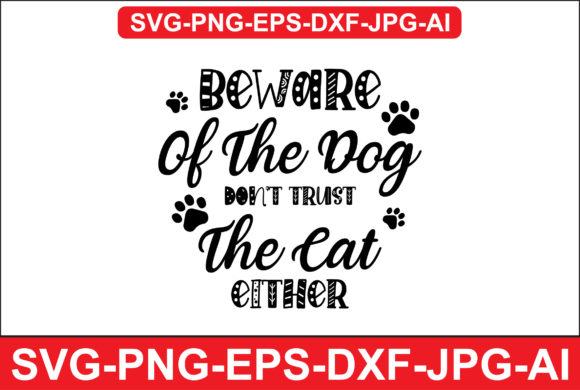
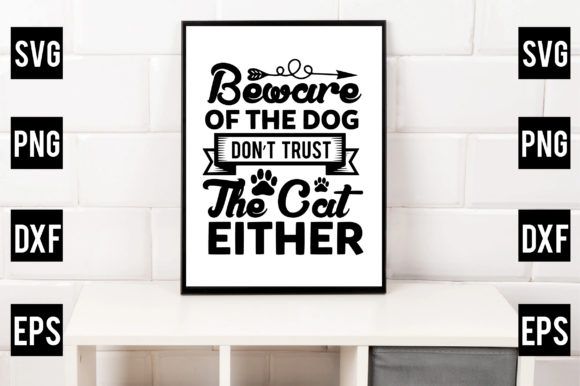
As a designer who’s stitched thousands of custom pieces—from boutique aprons to Etsy bestsellers—I opened Beware of the Dog, Don’t Trust the Cat E expecting playful irony. What I found was sharper than expected: a bold, slightly sardonic silhouette with tight negative space, clean outlines, and that unmistakable “E” anchoring the phrase like a signature stamp. It doesn’t whisper—it leans in. That energy translates directly to real-world embroidery: it reads instantly on a tote bag at 8 inches wide, holds up on a baby onesie at 4 inches, and keeps its cheeky charm even when stitched in monochrome thread.
First Stitch, First Impression
I tested Beware of the Dog, Don’t Trust the Cat E on a medium-weight cotton twill tote—exactly the kind I stock for local craft fairs. The design’s layout is inherently balanced: the dog graphic occupies visual weight on the left, the cat motif curls subtly behind, and the “E” lands with quiet authority at the end. No centering gymnastics needed. It’s not overly detailed—no tiny whiskers or paw pads to vanish under fill stitch—so stitch clarity stays high without aggressive digitizing tweaks. That makes it ideal for small business owners juggling speed and polish.
Where It Shines (and Where It Pauses)
Beware of the Dog, Don’t Trust the Cat E works beautifully for sweatshirt embroidery and custom apparel where attitude matters more than delicacy. On a charcoal crewneck, black thread gave it streetwear-ready punch; on an ivory linen tea towel, ecru thread softened it into dry wit—not sarcasm, but warm, knowing humor. As a machine embroidery design, it’s forgiving on textured fabrics like terry cloth or canvas—its strong outer contours hold shape even when background texture interrupts fine lines.
But let’s be direct: avoid using Beware of the Dog, Don’t Trust the Cat E on highly stretchy fabric (think ribbed knits or lightweight jersey) without robust cutaway stabilizer. The letterforms rely on crisp edges, and stretch can blur that “E” or soften the dog’s jawline. Also, skip it for curved surfaces like structured caps unless you’re experienced with cap hoops and underlay strategies—the design wasn’t built for radial distortion.
Real-World Fit: From Nursery to Neighborhood Shop
Last week, I mocked up Beware of the Dog, Don’t Trust the Cat E as a baby embroidery piece on a soft organic cotton swaddle. At 3.5 inches wide, it read clearly—but only because I chose high-contrast thread (navy on oat) and avoided dense fill stitches in the cat’s tail area. That’s a reminder: this isn’t just a graphics download. It’s a digital embroidery file that responds to your choices. For holiday embroidery or personalized gifts—say, a mug cozy or pillow cover—it adds personality without clutter. For a handmade product line, it reinforces brand voice: clever, unpretentious, and confidently crafted.
What the File Bundle Actually Delivers
The download includes SVG, PNG, DXF, PDF, and EPS formats—all zipped. As a designer, I immediately extracted the SVG and EPS for vector scaling and the PNG for quick mockups. The PDF helped me gauge spacing and bleed for print-and-cut applique designs. None of these are embroidery-ready files out of the box—you’ll need to digitize or import into your embroidery software—but the clean vectors mean less cleanup time. If you’re an Etsy seller bundling this as part of a “pet lover bundle,” those multiple formats let you offer value across creative platforms—not just embroidery, but Cricut projects, printable art, or branding assets.
Practical Designer Notes You’ll Actually Use
- Test first—on scrap fabric matching your final project’s weight and weave. A tea towel behaves very differently from a denim jacket.
- Check stitch density before running full production. Dense areas (like the dog’s ear or the “E” crossbar) can pucker thin fabric if unstabilized.
- Confirm hoop size early. This design fits comfortably in a 5x7 hoop, but pushing it to 4x4 means trimming detail—especially in the cat’s outline.
- Inspect small details at actual stitch scale: zoom in on your embroidery software preview to verify legibility of the “E” and spacing between “Dog” and “Don’t.”
- Try black-and-white mockups. Does it retain character on dark fabric? Does it disappear on busy prints? I found it held up best on solid, mid-tone backgrounds.
- Use proper stabilizer: medium tear-away for stable wovens, cutaway for knits or lightweight linens.
- Verify licensing before selling finished products or reselling the digital embroidery file. This is a Crafts category Graphics download—intended for personal and commercial use, but always confirm terms before listing on Etsy or launching a small shop product.
Why It Builds Trust—Not Just Stitches
Customers don’t buy embroidery files—they buy confidence. When someone orders a custom embroidered patch with Beware of the Dog, Don’t Trust the Cat E, they’re buying tone, timing, and taste. It signals you understand context: this isn’t generic clip art. It’s curated. That perception lifts perceived value—whether you’re pricing a $28 pillow cover or a $95 monogrammed sweatshirt. For creative entrepreneurs, consistency matters. Using this design across your tote bag line, aprons, and holiday gift tags creates subtle cohesion—not repetition, but recognition.
A Final Thought Before You Stitch
Beware of the Dog, Don’t Trust the Cat E won’t solve every embroidery challenge. It won’t magically stabilize a slippery silk scarf or compensate for poor thread tension. But it does something rarer: it arrives ready to contribute. To your craft business. To your client’s smile. To the quiet pride of handing over a finished product that feels intentional, human, and just a little bit mischievous. That’s the mark of good design—not perfection, but presence. And this one? It’s present.