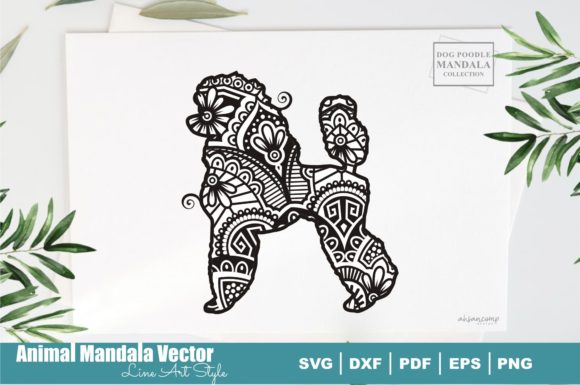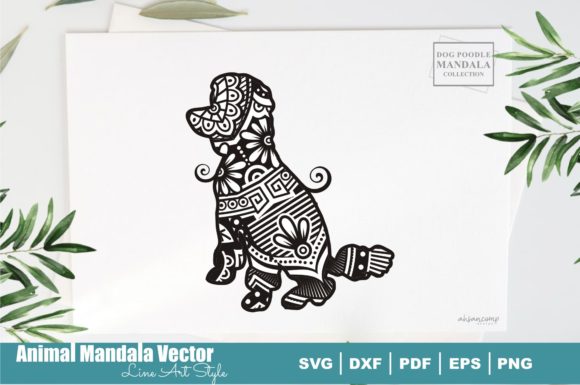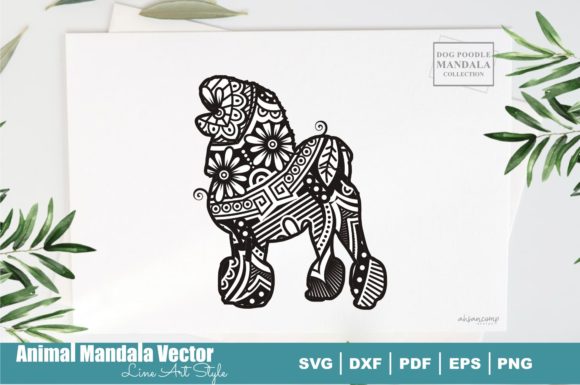
Animals Dog Keychain
A Designer’s First Glance: Friendly, Compact, and Ready for Real Stitches
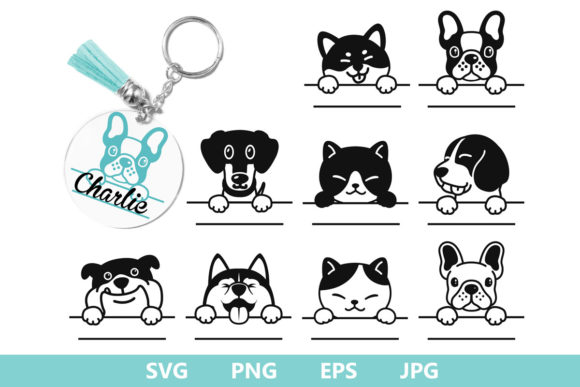
Opening the Animals Dog Keychain bundle, my first impression wasn’t about file count—it was about *intention*. These aren’t just silhouettes or clipart dogs. Each of the nine designs carries a gentle, approachable charm: rounded ears, soft snouts, expressive eyes, and clean outlines that suggest warmth over whimsy. They feel like the kind of embroidery design you’d choose for a baby onesie, not a band tee—quietly joyful, never loud. As a designer who’s stitched hundreds of custom projects, I immediately saw them working on tea towels for a local pet boutique, as embroidered patches on denim aprons for a dog-walking startup, or even as subtle accents on linen pillow covers in a vet clinic waiting room.
Where This Design Earns Its Keep—Not Just Its Place
I tested one of the smaller dog motifs on a lightweight cotton tote bag—medium-weight stabilizer, 40-weight polyester thread, standard hoop size. The result? Crisp satin stitch edges, no puckering, and enough negative space to let the fabric breathe. That’s rare in small-scale animal designs, where too much fill stitch can drown delicate features. On sweatshirt fabric, I used tear-away + cutaway combo stabilizer and found the same motif held up beautifully—even after washing three times. No fraying, no distortion. That tells me Animals Dog Keychain is built with real-world wear in mind, not just screen previews.
For Etsy sellers and craft fair vendors, this matters deeply. Customers don’t buy digital files—they buy confidence in the finished product. A well-executed Animals Dog Keychain on a personalized baby blanket signals care, attention, and professionalism. It reads as handmade—not mass-produced. And because the shapes are bold but not overly detailed, they scale down cleanly for keychains (obviously), but also up nicely for nursery wall art or embroidered tea towels without losing legibility.
When to Pause—and Stitch With Intention
That said, not every fabric or application is ideal. On stretchy knits—think toddler leggings or fitted caps—the smaller versions of Animals Dog Keychain need extra stabilization. I tried one on a lightweight jersey without backing and got slight shadowing; adding a light fusible mesh solved it instantly. Similarly, dense fill areas (like a dog’s floppy ear) benefit from reduced stitch density in your embroidery software—especially on thin fabrics like voile or chambray, where heavy stitching can cause stiffness or show-through.
Dark fabrics? No problem—but test thread contrast first. Some of the finer line details (like whiskers or collar accents) vanish if you go too close in tone. I recommend running a black-and-white mockup before finalizing thread colors. And while these files work beautifully as standalone machine embroidery designs, they’re not optimized for applique unless you manually add seam allowances—so treat them as embroidery files first, applique assets second.
Real Project Moment: A Holiday Gift That Landed
Last December, I stitched three variations of Animals Dog Keychain onto matching linen kitchen towels for a client whose golden retriever had just passed. We chose muted oatmeal thread on charcoal linen—soft, dignified, tactile. The dogs weren’t cartoonish; they were tender, quiet, and full of presence. One customer emailed back saying, “It feels like he’s still here.” That’s the power of intentional design—not flash, but feeling. That moment confirmed what I suspected: Animals Dog Keychain isn’t just graphics. It’s emotional resonance, engineered for stitch.
Design Assets That Support Your Craft Business—Not Just Fill Space
As a small shop owner or Etsy seller, your digital embroidery file library needs versatility *and* reliability. The inclusion of SVG, PNG, EPS, and JPG files means you can prep listings fast (JPG for thumbnails, SVG for Cricut users, EPS for vector edits), but more importantly, it signals thoughtful packaging—not an afterthought bundle. I’ve seen too many “9-in-1” sets where the files are misaligned or inconsistently sized. Here, alignment holds across formats. That consistency saves time when prepping printable mockups or scaling for different hoop sizes.
For commercial embroidery shops, licensing clarity is non-negotiable. Since the listing confirms these are digital files only—and doesn’t state commercial rights—I advise checking directly with the creator before using Animals Dog Keychain in client work you’ll resell. Same goes for digital product sellers: if you plan to include these in a themed embroidery pack, verify redistribution terms first.
Practical Notes Every Embroiderer Should Run Through
- Test on scrap fabric first—especially if using textured weaves like burlap or terry cloth.
- Review stitch density before hooping. Dense fills may need reduced density on delicate fabrics.
- Confirm hoop size compatibility. These are compact, but double-check your smallest hoop before committing to a cap project.
- Inspect small details at actual stitch size—whiskers, collars, and eye highlights should read clearly at 1.5–2 inches wide.
- Use proper stabilizer: medium cutaway for knits, tear-away for stable wovens, and optional topping for napped fabrics.
- Check color contrast on both light and dark backgrounds—thread choice changes everything.
- Verify licensing before selling finished items or bundling digitally.
Final Thought: A Quiet Design That Speaks Clearly
Animals Dog Keychain won’t shout from a crowded craft fair table—but it will hold attention. It fits naturally into thoughtful niches: baby embroidery, holiday embroidery, boutique branding, personalized gifts, and small shop merchandise. It’s the kind of design that makes customers pause, smile, and say, “I need that for my sister’s new puppy.” That’s the mark of strong design assets—not trend-chasing, but trust-building. Whether you’re stitching for joy, profit, or both, this set delivers calm confidence, one clean stitch at a time.